Milton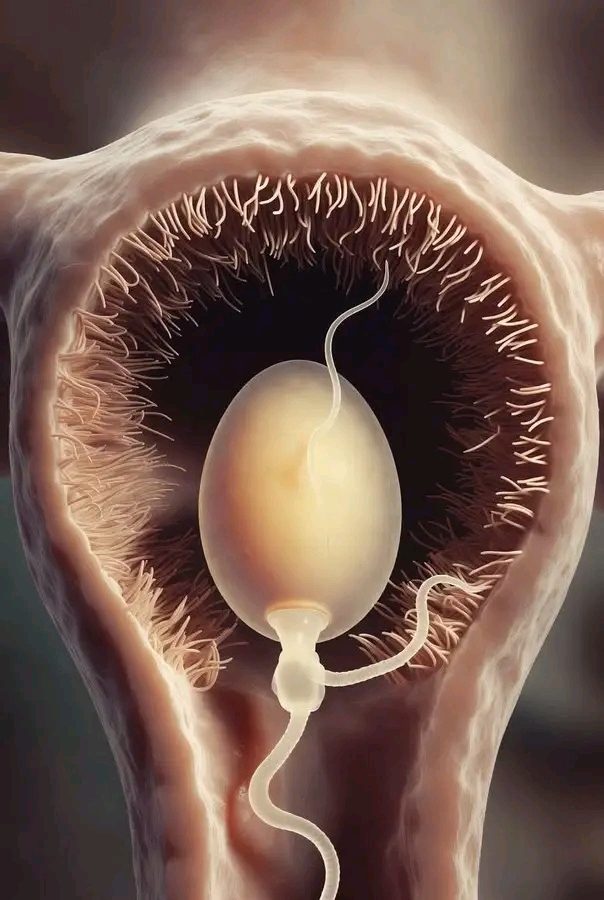
For a man to successfully fertilize an ovum, sperm must be healthy, active, and structurally normal. When certain characteristics are abnormal, it can lead to male infertility.
Here are the key sperm problems that can prevent fertilization:
🧬 1. Low sperm count (Oligospermia)
Too few sperm in semen
Less than ~15 million sperm per ml reduces chances
Severe cases → almost no chance of reaching the egg
🏊 2. Poor motility (Asthenozoospermia)
Sperm can’t swim properly toward the egg
They may move slowly, in circles, or not at all
Fertilization requires strong forward movement
🔍 3. Abnormal shape (Teratozoospermia)
Sperm may have:
Double heads
Bent or short tails
Irregular midpieces
Abnormal structure = difficulty penetrating the egg
💀 4. Low viability (Necrozoospermia)
Many sperm are dead or non-living
Dead sperm cannot fertilize an ovum
🧪 5. Poor semen quality
Issues with the fluid carrying sperm:
Too thick or too watery
Abnormal pH
Can affect sperm survival and movement
🔥 6. DNA damage in sperm
Even if sperm looks normal, damaged DNA can:
Prevent fertilization
Cause early miscarriage
⚠️ 7. Infections or inflammation
Can damage sperm or block movement
Examples include STIs or prostate infections
🚫 8. Zero sperm (Azoospermia)
No sperm present in semen at all
Fertilization is impossible without medical intervention
🧠 Simple way to explain it
Think of sperm like “athletes in a race”:
If they are few → low chances of winning
If they are slow → they never reach the finish line
If they are deformed → they can’t enter the egg
If they are dead → they don’t even start the race.