Milton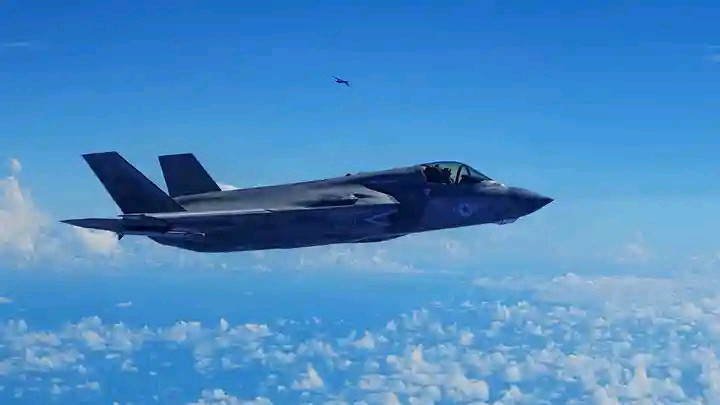
Canada is reviewing whether to cancel the remaining bulk of its planned purchase of U.S.-made F-35 stealth fighter jets, amid growing political and strategic tensions with the United States under President Donald Trump’s second administration.
According to available information, the Canadian government has been reassessing its fighter replacement program since last year, including the planned acquisition of 72 additional F-35 aircraft. Canada originally committed in 2022 to purchase 88 F-35 jets from Lockheed Martin and has already confirmed orders for 16 aircraft. The current debate centers on whether the remaining 72 units should be canceled.
Under Prime Minister Mark Carney, Canada is reportedly exploring alternative options, including the Swedish-made JAS 39 Gripen produced by Saab, as a potential replacement for the F-35. The reassessment has been driven in part by delivery delays and rising lifecycle costs associated with the F-35 program.
Since President Trump returned to office, Washington has applied increased economic and diplomatic pressure on Canada, fueling concerns in Ottawa about excessive dependence on the United States for national defense. Statements and rhetoric from U.S. leadership have intensified anxieties within Canadian policy circles regarding long-term strategic autonomy.
Vincent Rigby, former national security adviser to ex–Prime Minister Justin Trudeau, stated that many Canadian policymakers are now rethinking the country’s bilateral defense relationship with the United States, noting that aggressive rhetoric from Washington has complicated long-standing defense cooperation in North America.
However, the potential shift away from the fifth-generation F-35 has sparked domestic debate. Critics argue that replacing the F-35 with a fourth-generation aircraft such as the Gripen could weaken Canada’s air combat capabilities. Andrea Charron, Director of the Centre for Defence and Security Studies at the University of Manitoba, has emphasized that Canadian pilots require the most advanced aircraft available to maintain a credible deterrent against potential adversaries and that Canada should honor its F-35 commitments.
Looking ahead, Canada’s plan to double its defense spending by 2030 may reshape its procurement strategy regardless of the final decision on the F-35. If relations with Washington continue to deteriorate, defense firms from Europe and South Korea could gain increased access to the Canadian market. Nevertheless, canceling a major F-35 order would carry significant operational, financial, and alliance-related consequences, particularly for Canada’s role in joint North American and NATO defense structures.